



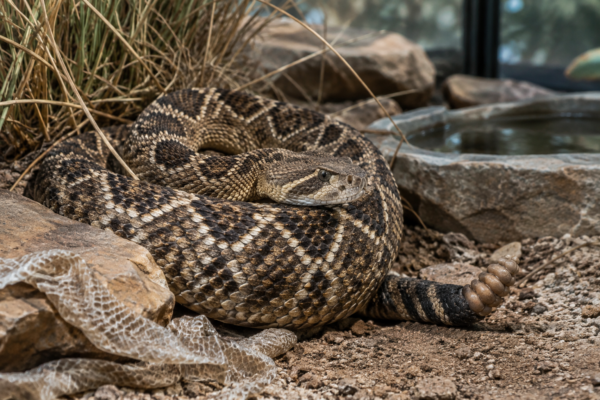
Viperidae Snakes: Species, Traits, and Care
Viperidae snakes are the family of venomous snakes called vipers. They live on every continent except Antarctica and Australia, plus some islands. They have hinged, hollow fangs, heavy bodies and an ambush style of hunting. Every one of them is medically significant, and many states restrict or ban them. If you came here wondering whether…
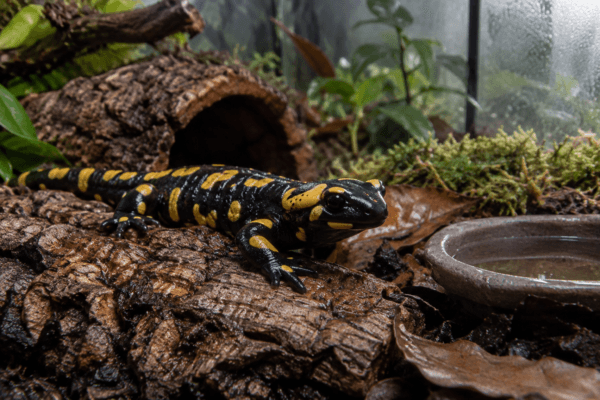
Fire Salamander: 2026 Habitat and Care Guide
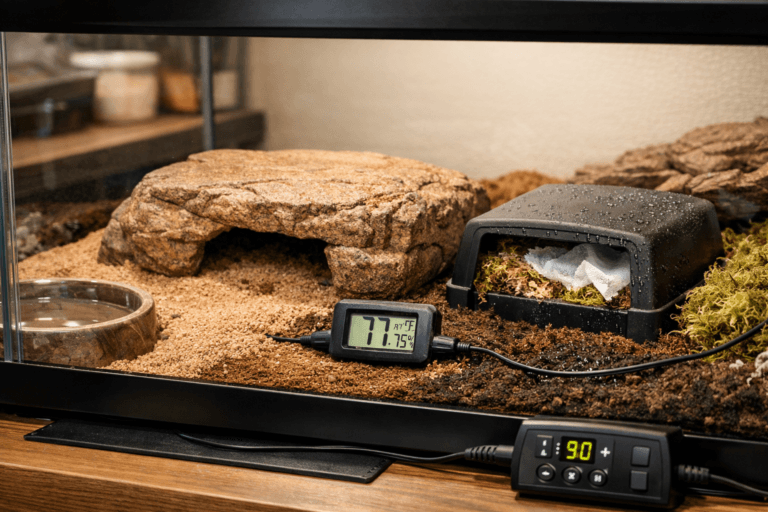
Can you legally keep a fire salamander where you live, and can you keep a room cold enough for one? Answer both before you buy a single cork hide. Fire salamanders (Salamandra salamandra) live in cool, damp forests near clean, shallow water. In captivity they need a cold, dim, humid terrestrial terrarium at about 60-65°F,…
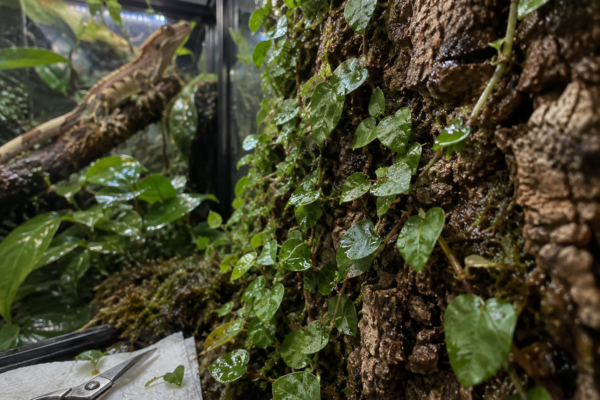
Creeping Fig Care for Terrarium Walls
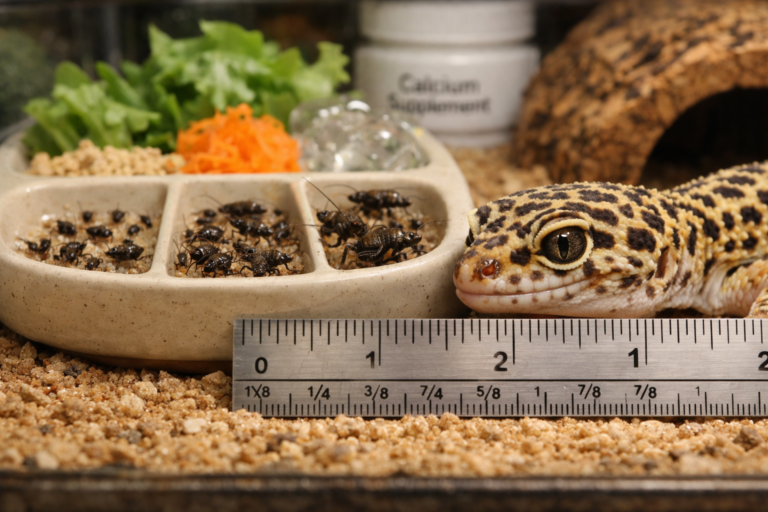
Creeping fig grows so fast in a humid terrarium that you can watch it reclaim bare cork bark in about two weeks. That speed is exactly why so many bioactive builds end up with vines blocking the screen top or crowding a gecko’s climbing space within a month. This plant, botanically Ficus pumila, is one…

Fern Birds Nest Care for Humid Terrariums
Drop a bird’s nest fern into a glass box with 80% humidity and still watch it rot from the center out. That’s the trap. Everyone treats fern birds nest care like regular houseplant advice, but terrariums are sealed, humid, and often still inside. Fronds trap moisture against glass walls with nowhere to go, and that’s…
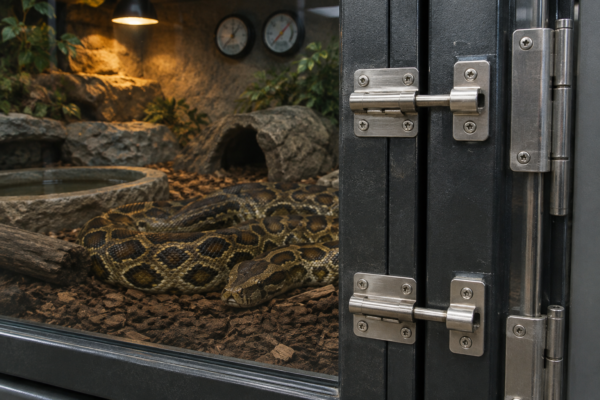
African Rock Python Care and Enclosure Setup
A 15-foot snake that can crush and kill a grown man isn’t a weekend project. African rock pythons are the largest python species in Africa, routinely hitting 12 to 16 feet, and they’ve earned a reputation among keepers for being powerful, defensive, and nothing like the ball python at your local pet store. If you’re…
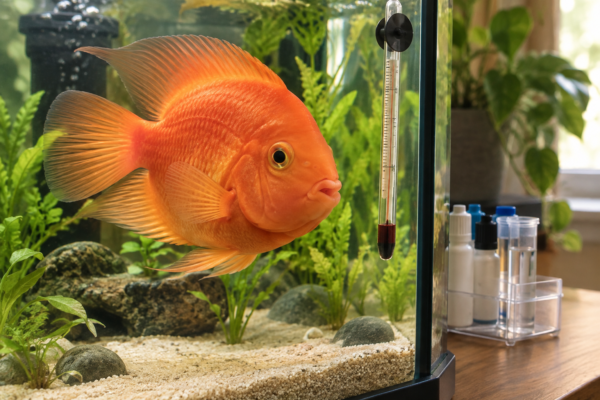
Parrot Fish Aquarium Setup and Care Guide
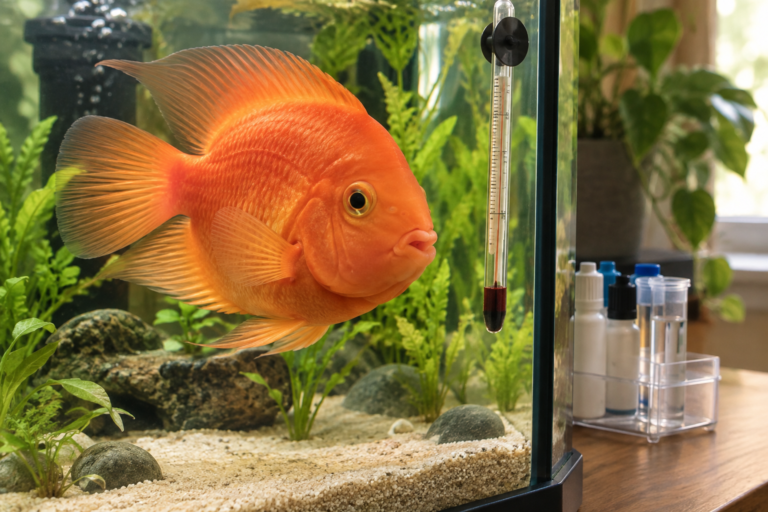
That bright orange fish with the round body and permanent little smile at the pet store? That’s almost certainly not a real parrot fish from the ocean. It’s a Blood Parrot Cichlid, a man-made freshwater hybrid, and it needs completely different care than what you’d expect from a saltwater reef species. This mix-up trips up…
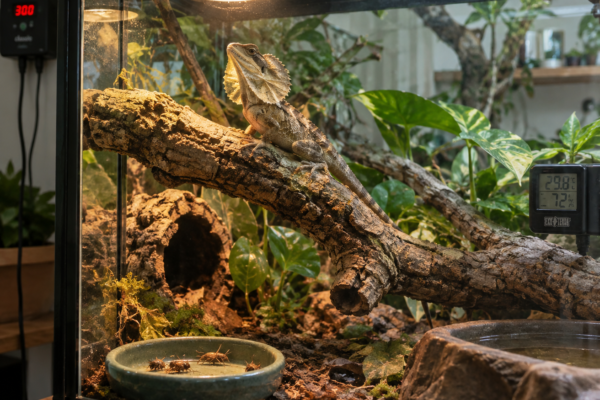
Hooded Lizard Care: Habitat, Diet, and Heating
What kind of hooded lizard are you actually looking at? That question decides almost everything about its habitat, because “hooded lizard” covers a handful of agamid species from very different parts of Australia and Southeast Asia, some from dry scrubland and some from humid forest floors. Get that wrong and you’ll build the wrong tank…
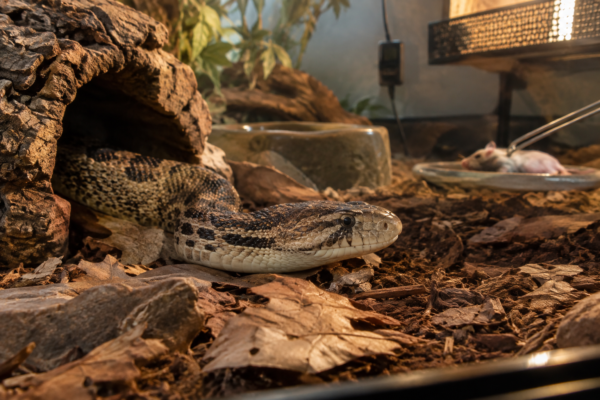
Gopher Snakes: Care, Habitat, Diet, and Temperament
Gopher snakes hiss loud, shake their tails like a rattle, and flatten their heads into a triangle shape when they feel cornered. That whole act is a bluff. They’re one of the most common snakes in the western United States, and despite looking terrifying when startled, they’re not venomous and make genuinely great pets or…
Rainbow Fish Habitat: Setup, Care, and Water Needs
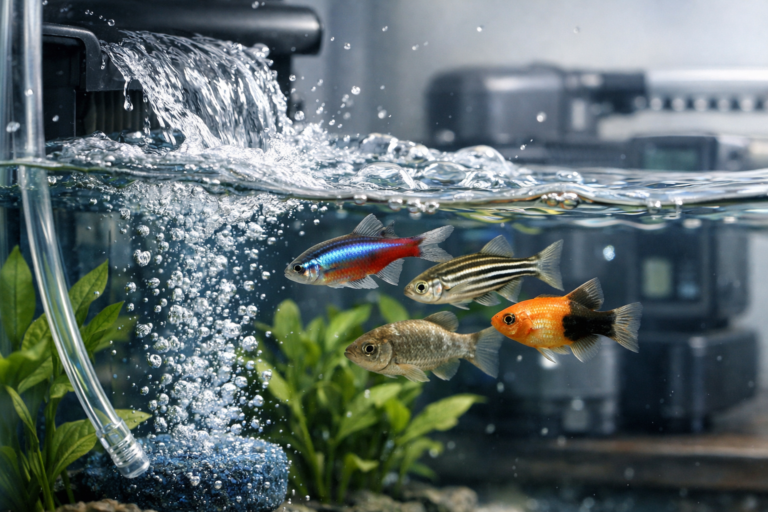
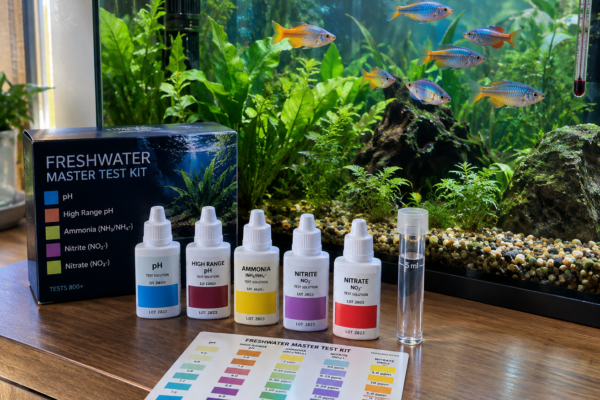
Rainbow fish don’t turn that electric blue-and-orange color just because they’re alive in a tank. That color show is a direct response to shoal size, light, and stress levels, which means most “just keep it alive” fishkeeping advice sells this species short. Get the habitat right and you’ll see color that looks almost painted on;…
Reticulated Python (Malayopython reticulatus)
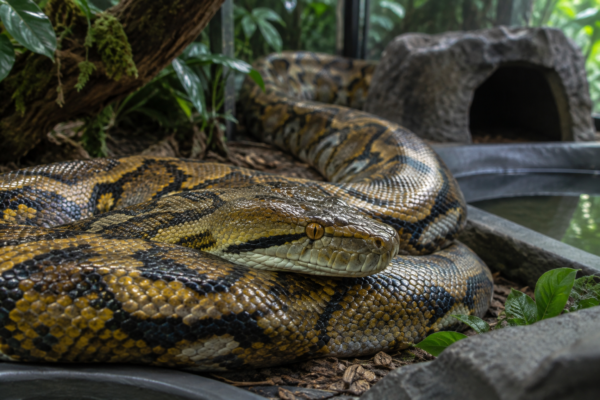
A reticulated python can grow past 15 feet, and yes, some individuals have topped 20. But here’s the thing almost nobody tells you upfront: most reticulated pythons you’ll actually meet in the pet trade are dwarf or super dwarf locality snakes that top out at 6 to 9 feet. That gap between the record-breaker headlines…