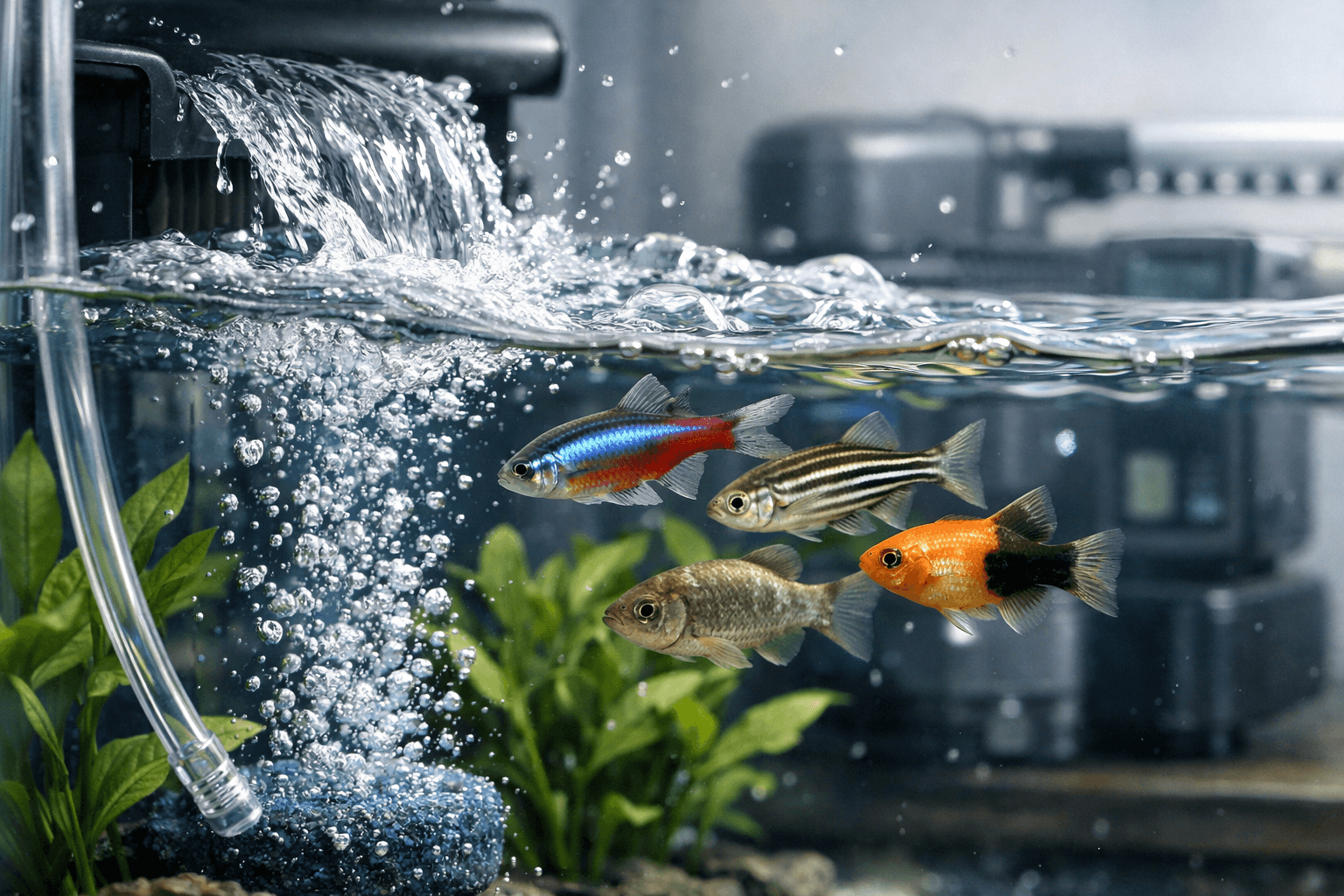
Sweet water fish is just the everyday name a lot of people use for freshwater fish, and if you’re a reptile or amphibian keeper eyeing a paludarium build, this is the term you’ll bump into constantly. It sounds simple, but the setup underneath it is where people trip up. Fish don’t work like a bearded dragon or a poison dart frog, and treating a fish tank like “just add water” is how you lose your first batch of livestock within a week.
This guide walks through the real setup steps, the feeding routine, and the spots where terrarium folks specifically get tripped up when they try to blend fish into a mixed habitat.
What Does “Sweet Water Fish” Actually Mean?
“Sweet water fish” just means freshwater fish — species that live in rivers, lakes, and ponds instead of the ocean. Think guppies, tetras, goldfish, bettas, corydoras. It’s not a species, it’s a whole category, and that matters because their care needs vary a lot within that one label.
This is exactly where beginners go wrong. People assume one freshwater setup fits every freshwater fish, but a betta wants slow water and warmth around 78°F, while a goldfish wants cooler water near 68°F and way more filtration. Lumping them together by the “freshwater” label alone is the first mistake to avoid.
If you’re coming from reptile keeping, think of it like assuming every lizard needs the same UVB setup just because they’re all “lizards.” You already know better there — apply that same instinct here.
Setting Up the Tank: Size, Filtration, and Water Prep
A 20-gallon tank is a realistic starting point for most beginner freshwater setups, giving you enough water volume to stay stable while you learn the ropes. Smaller tanks (5-10 gallons) swing in temperature and chemistry fast, which stresses fish out and speeds up disease.
Tank Size and Stocking
Bigger is genuinely easier here. A general rule for small fish is about 1 inch of fish per gallon of water, though that’s a loose guideline, not gospel. Overstocking is one of the fastest ways to spike ammonia and stress your whole tank.
Filtration That Actually Keeps Up
Filtration is where a lot of setups quietly fail. A hang-on-back filter rated for a tank size larger than what you own gives you a safety margin, and a sponge filter running alongside it adds extra biological filtration without much cost — usually under $15.
Dechlorinating and Conditioning Water
Tap water has chlorine or chloramine in it, and both are toxic to fish gills. A water conditioner like Seachem Prime, added at every water change, neutralizes that instantly and also detoxifies ammonia in a pinch. Skipping this step is one of the most common beginner mistakes, and it’s also one of the cheapest to fix — a bottle runs around $8 to $10 and lasts months.
The Nitrogen Cycle: Why You Can’t Add Fish on Day One
You need to cycle the tank before adding fish, and skipping this step is the single biggest reason new fish die in week one. Cycling means growing a colony of beneficial bacteria that converts toxic ammonia into nitrite, then into much safer nitrate.
This takes time — usually 4 to 6 weeks if you’re doing a fishless cycle with a bottled ammonia source. Adding fish into an uncycled tank causes what’s called “new tank syndrome,” where ammonia spikes hard enough to burn gills and kill fish within days.
Test your water with a liquid test kit like the API Freshwater Master Test Kit rather than trusting your eyes. Here’s roughly what healthy readings look like at each stage:
Cycle Stage
Ammonia (ppm)
Nitrite (ppm)
Nitrate (ppm)
Week 1 (uncycled)
2-4
0
0
Week 3 (mid-cycle)
1-2
2-5
5-10
Week 5-6 (cycled)
0
0
10-20
Once ammonia and nitrite both read zero consistently for a few days in a row, you’re clear to add fish gradually, a few at a time, not all at once.
Feeding, Heating, and Everyday Care
Most freshwater fish do fine on a quality flake or pellet food fed once or twice a day, in an amount they can finish in about 2 minutes. Anything left floating after that is overfeeding, and it’s a bigger problem than an empty-looking belly.
A Simple Feeding Routine
Feed a small pinch of food once in the morning.
Watch to see if it’s gone within 2 minutes.
Feed a second small portion in the evening if your species needs it.
Skip a feeding day once a week for most community fish — this is normal, not neglect.
Remove any uneaten food with a net right after feeding.
Heating and Temperature Range
Most tropical sweet water fish do best between 74°F and 80°F, and a submersible heater with an adjustable thermostat, around $20 to $30, keeps that steady. Cold-water species like goldfish don’t need a heater at all, which is a nice cost saver if you go that route.
Substrate, Decor, and Light
Fine gravel or sand works for most community tanks, and driftwood or silk plants add cover fish actually use to feel safe. A basic LED aquarium light on a timer, running 8 to 10 hours a day, is plenty for fish-only setups without live plants.
Fish in a Paludarium: When to Combine and When Not To
Fish and frogs can share a paludarium, but it works best when the water section is deep enough and separate enough that the fish aren’t sharing airspace or basking areas with amphibians or turtles. The instinct to combine everything into one ecosystem is understandable, but it creates shared filtration problems fast.
The core issue is waste load. Turtles especially produce a lot of waste, and adding fish on top of that pushes your filtration past what a standard aquarium filter can handle. A canister filter rated for double your actual water volume is a reasonable buffer if you’re running a mixed habitat.
There’s also a chemistry mismatch to watch for. Many frogs prefer softer, slightly acidic water, while a lot of common sweet water fish like guppies and mollies actually prefer neutral to slightly hard water — so the “ideal” range for one animal can be mildly stressful for the other over time.
Cross-habitat setups aren’t off the table, they just need planning up front instead of an afterthought. If you’re building toward a mixed enclosure, it’s worth reading a dedicated paludarium build guide (petterrarium.com has a solid one) before committing fish and amphibians to the same water feature, since retrofitting filtration after the fact is a lot more work than planning it from day one.
Frequently Asked Questions
Can I put fish in the same water as my frog or turtle?
Yes, but only if the water is deep enough for fish and well-filtered enough to handle combined waste. Turtles in particular overload standard filtration fast, so a separate tank is often the safer, easier call.
How long does a new sweet water fish tank need to cycle before adding fish?
Plan on 4 to 6 weeks for a fishless cycle using a bottled ammonia source. Test water with a liquid kit until ammonia and nitrite both hit zero for several days straight before adding any fish.
What’s the most common reason beginner fish tanks fail?
Adding fish before the tank cycles is the top cause, followed closely by overfeeding. Both cause ammonia or waste buildup that fouls water fast and stresses fish into getting sick.