What Makes the Lizard Frilled Dragon a Fascinating Pet Choice
Few reptiles command attention quite like the lizard frilled dragon. With its dramatic neck frill, prehistoric appearance, and surprisingly interactive personality, this species has captured the hearts of reptile enthusiasts around the world. Whether you’re a seasoned hobbyist or exploring your first exotic pet, the frilled dragon offers a rewarding ownership experience unlike any other lizard on the market.
Understanding the Frilled Dragon’s Natural Origins
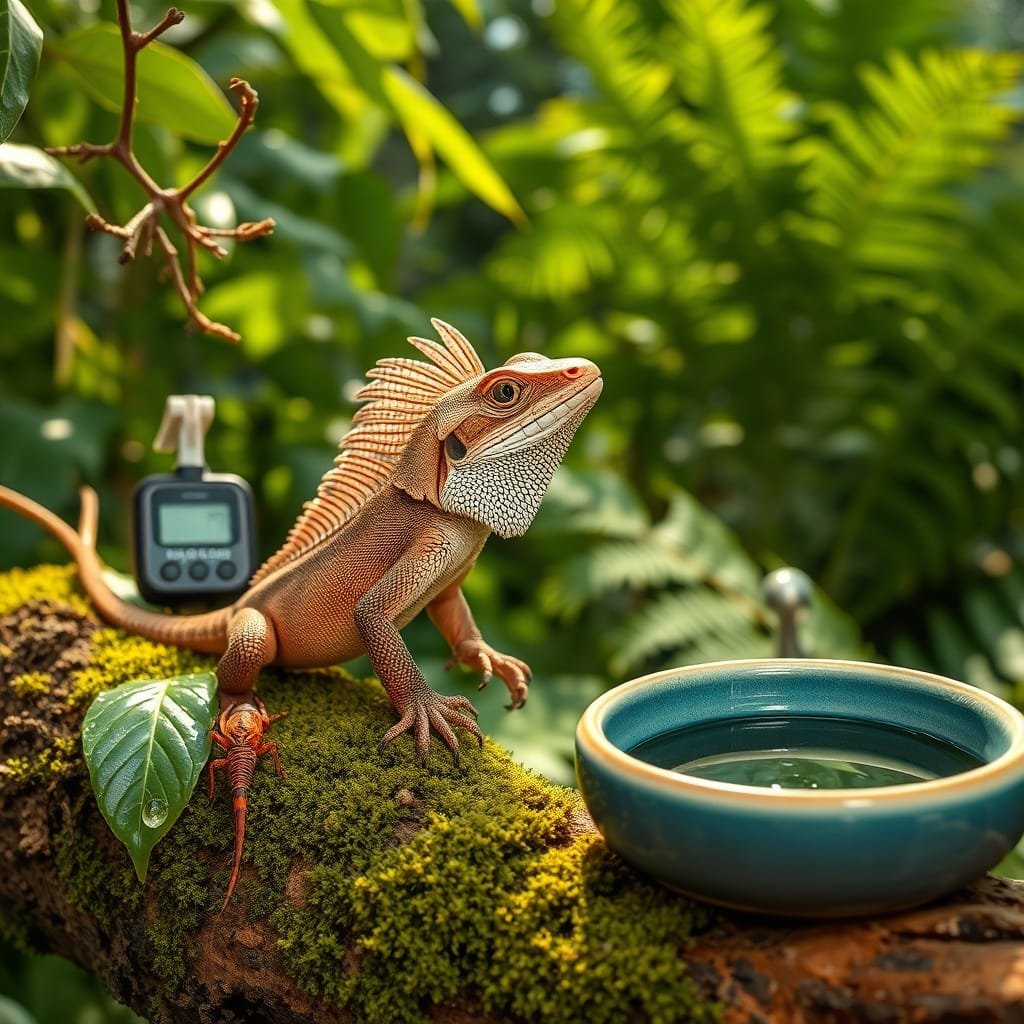
The frilled dragon (Chlamydosaurus kingii) originates from the tropical and warm temperate forests of northern Australia and southern New Guinea. In the wild, these lizards are highly arboreal, spending most of their time in trees where they hunt insects and small vertebrates. Their natural habitat is characterized by seasonal wet and dry cycles, which directly influence their behavior, appetite, and breeding patterns in captivity.
Understanding this background is essential for any keeper. These animals evolved in environments with intense seasonal variation, high daytime temperatures, and distinct humidity fluctuations. Replicating these conditions as closely as possible is the foundation of successful frilled dragon care. Fortunately, with the right setup and commitment, this is very achievable for dedicated hobbyists.
Unique Physical Traits That Set Them Apart
The most iconic feature of this species is, of course, the nuchal frill — a large, fan-like skin extension supported by elongated cartilaginous rods that attach to the jaw and neck. When threatened or excited, the dragon opens its mouth wide and erects this frill to appear significantly larger than it actually is. It’s a breathtaking display that never loses its wow factor.
Beyond the frill, these lizards are built for speed and climbing. They are bipedal runners, capable of sprinting on their hind legs when startled. Adults typically reach 2 to 3 feet in length, with males being noticeably larger and more dramatically frilled than females. Their earthy, mottled coloration — ranging from gray to orange-brown — provides excellent camouflage in their native woodland environment, making them a visually stunning addition to any reptile collection.
Setting Up the Perfect Frilled Dragon Habitat
Creating the right environment is arguably the most critical investment you’ll make as a frilled dragon keeper. These active, arboreal lizards need generous vertical space, precise temperature gradients, and a thoughtfully designed interior to truly thrive.
Enclosure Size and Structural Requirements
Adult frilled dragons require a minimum enclosure size of 4 feet wide by 2 feet deep by 6 feet tall. Vertical height is non-negotiable — these are tree-dwelling animals that feel most secure when elevated. Juveniles can be started in smaller enclosures of around 3 feet tall, but plan to upgrade as they grow rapidly in their first year.
Sturdy climbing branches such as manzanita wood or cork bark tubes should be arranged at varying heights to encourage natural movement. The enclosure must also allow for excellent ventilation to prevent stagnant, overly humid air, which can lead to respiratory issues.
Temperature, Lighting, and Humidity Essentials
The table below outlines the key environmental parameters every frilled dragon keeper must maintain:
Parameter
Basking Zone
Cool Side
Nighttime
Temperature
110–120°F
80–85°F
70–75°F
UVB Lighting
10–12 hours/day
—
Off
Humidity
60–80% (wet season)
—
50–60% (dry season)
A high-output UVB bulb rated at 10.0 or 12% UVB is essential for proper calcium metabolism and overall bone health. Pair this with a powerful basking bulb to achieve the intense heat these sun-loving lizards require.
Substrate and Décor for a Thriving Environment
Coconut fiber mixed with organic topsoil makes an excellent substrate, retaining moisture during humid periods while remaining easy to spot-clean. Live or artificial plants like pothos or bird of paradise add visual enrichment and help maintain humidity levels naturally. Hiding spots at ground level are also important — even arboreal species appreciate the option to retreat to the floor when they feel vulnerable. Keep the enclosure design dynamic and stimulating to support your dragon’s mental well-being and natural behavioral repertoire.
Step-by-Step Guide to Feeding Your Frilled Dragon
Feeding a frilled dragon is one of the most enjoyable aspects of ownership. These enthusiastic hunters respond eagerly to live prey, making feeding time an engaging and interactive experience. Following a structured approach ensures your dragon receives complete, balanced nutrition at every life stage.
Ideal Live Prey and Nutritional Supplements
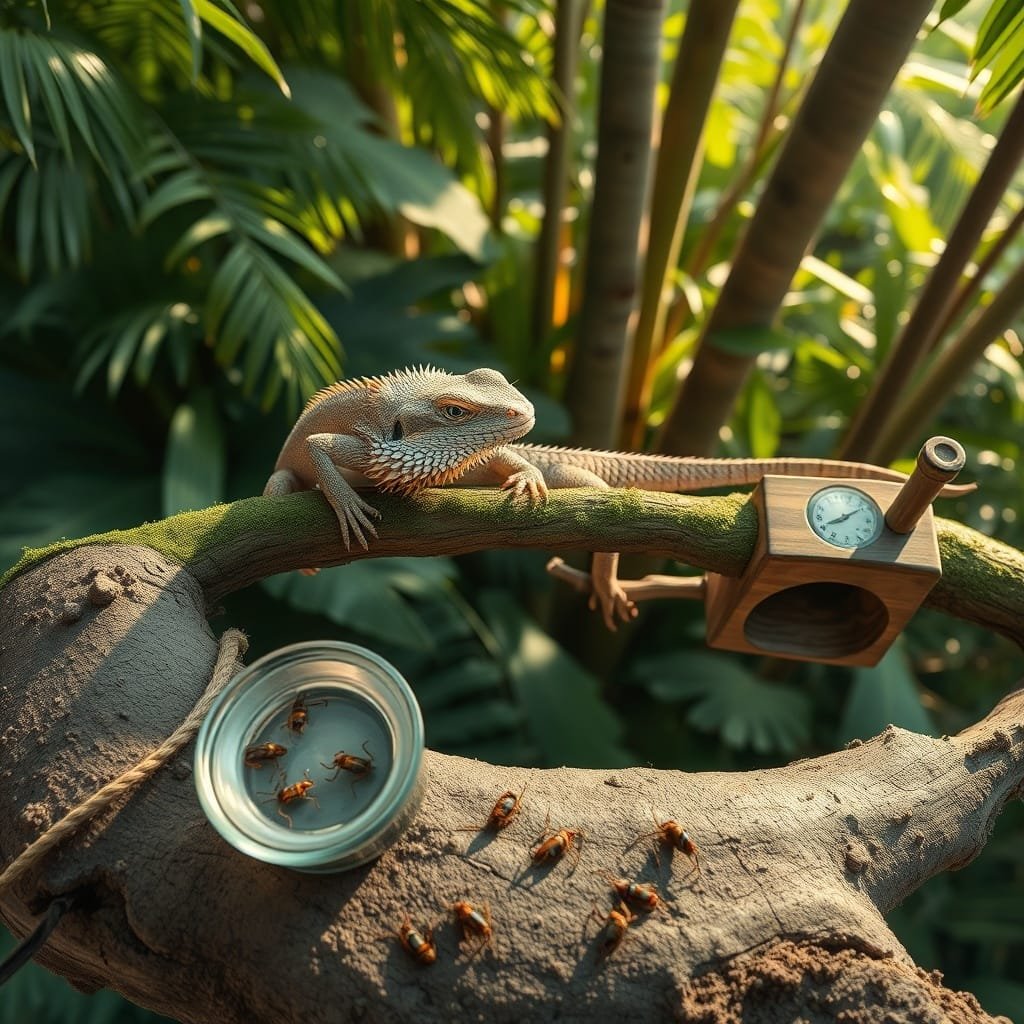
Crickets — An excellent staple feeder insect that is widely available, nutritious, and appropriately sized for all age groups when chosen correctly.
Dubia roaches — Higher in protein and lower in chitin than crickets, making them one of the most nutritionally dense feeder options available to reptile keepers.
Black soldier fly larvae (BSFL) — Naturally high in calcium, these are ideal for reducing the need for heavy calcium supplementation.
Superworms and hornworms — Best used as occasional treats due to their higher fat content; hornworms also provide excellent hydration.
Pinky mice — Appropriate only for large adult males as an infrequent protein boost, no more than once or twice per month.
Calcium and D3 supplement — Dust all feeder insects at least every other feeding using a quality supplement like Repashy Calcium Plus to prevent metabolic bone disease.
Feeding Frequency by Age and Size
Juveniles under six months old should be fed daily, as their rapid growth demands consistent caloric intake. Sub-adults between six and eighteen months benefit from feeding every other day. Fully grown adults over eighteen months can be maintained on a feeding schedule of three to four times per week. Always remove uneaten feeders promptly to reduce stress and maintain enclosure hygiene.
Handling and Socialization Tips for a Happy Frilled Dragon
Frilled dragons are not naturally hands-on animals, but with patience and consistency, they can become remarkably calm and confident companions. The key is respecting their pace and understanding that trust is earned gradually, never rushed. An optimistic mindset helps here — even the most defensive hatchling can transform into a relaxed, handleable adult with the right approach.
Building Trust With Your Lizard Frilled Dragon
Consistent, low-pressure interaction is the foundation of a strong bond with your lizard frilled dragon. Begin by simply spending time near the enclosure without attempting to handle your dragon at all. Let it observe you, recognize your presence, and associate you with positive experiences like feeding.
When you’re ready to introduce hands-on contact, start by hand-feeding prey items using soft-tipped feeding tongs or your bare fingers. This builds a powerful positive association between your presence and reward. Progress to gently resting your hand inside the enclosure without grabbing, allowing the dragon to approach on its own terms. Forced handling early in the relationship creates lasting stress responses that are difficult to undo, so patience truly pays off.
Sessions should remain short — five to ten minutes maximum in the early stages — and always end on a calm note. Over weeks and months, most frilled dragons become genuinely tolerant of regular handling, and some individuals actively seek out their keeper’s attention.
Reading Body Language and Frill Displays
Understanding what your dragon is communicating is essential for safe, enjoyable interaction. A relaxed frilled dragon will display a flattened, neutral posture, move deliberately, and show no frill extension during routine handling. These are green-light signals that your animal is comfortable.
Watch carefully for warning signs. A widely gaping mouth, full frill extension, and a hissing vocalization are clear indicators that your dragon feels threatened or overstimulated. Darkening of the skin coloration, particularly around the frill, often precedes a defensive display. When you observe these signals, calmly return your dragon to its enclosure and give it space. Never punish a defensive display — it is natural, hardwired behavior that should simply be respected and worked around through gradual desensitization over time.
Health, Wellness, and Common Medical Concerns
Keeping a frilled dragon healthy long-term requires proactive observation and a working relationship with an experienced reptile veterinarian. Most health problems in captivity are directly linked to husbandry errors, which means prevention through proper care is your most powerful tool.
Signs of a Healthy Frilled Dragon
A thriving frilled dragon is alert, responsive, and physically robust. Regular monitoring of key health indicators helps you catch problems early before they escalate.
Health Indicator
Healthy Sign
Concern
Eyes
Clear, bright, fully open
Sunken, cloudy, or swollen
Skin
Smooth, vibrant coloration
Retained shed, discoloration, lesions
Weight
Consistent, well-muscled body
Visible spine or hip bones
Appetite
Eager feeding response
Prolonged refusal to eat
Feces
Firm, well-formed, regular
Runny, bloody, or absent
Activity
Active basking and climbing
Lethargy, staying on ground
Routine weigh-ins every two weeks help you track body condition over time, giving you an objective record to share with your vet if concerns arise.
Recognizing and Preventing Common Illnesses
Metabolic bone disease (MBD) is the most prevalent preventable condition in captive frilled dragons, caused by insufficient UVB exposure or inadequate calcium supplementation. Symptoms include soft or deformed bones, tremors, and difficulty moving. Strict supplementation schedules and proper lighting are your best defenses.
Respiratory infections typically arise from enclosures that are too cold or persistently damp without adequate ventilation. Wheezing, mucus around the nostrils, and open-mouth breathing at rest are warning signs requiring immediate veterinary attention.
Parasitic infections, both internal and external, are common in wild-caught individuals and can occasionally affect captive-bred animals. Annual fecal exams performed by a reptile vet are strongly recommended to catch and treat parasitic loads before they become serious health threats.
Breeding Your Frilled Dragon Successfully
Breeding frilled dragons in captivity is a genuinely rewarding achievement that requires careful preparation, attentive observation, and a willingness to invest time and resources into the process. Success depends on replicating the seasonal environmental cues that trigger natural reproductive behavior.
Preparing Males and Females for Breeding Season
Condition both animals for at least six months prior to breeding attempts, ensuring they are at optimal body weight and showing no signs of illness or parasitic infection.
Gradually reduce photoperiod to 10 hours of light per day and lower ambient temperatures by 5–8°F over four to six weeks to simulate the dry season cooling that precedes natural breeding activity.
Reduce feeding frequency during this cooling period, mimicking the reduced prey availability that wild dragons experience seasonally.
After six to eight weeks of cooling, gradually restore temperatures and photoperiod to summer parameters while increasing feeding back to normal levels to trigger the breeding season response.
Introduce the female into the male’s enclosure under close supervision, watching carefully for aggressive behavior that could injure either animal.
Successful copulation typically occurs within the first few days of introduction; separate the pair after mating is confirmed to reduce stress on the female.
Egg Incubation and Hatchling Care Basics
Females typically lay clutches of 8 to 23 eggs approximately four to six weeks after successful mating. Provide a deep laying box filled with slightly moistened coconut fiber or vermiculite so she can deposit eggs comfortably. Eggs should be carefully excavated and transferred to an incubation container without rotating them.
Incubate eggs at 84–86°F with moderate humidity of around 80%, and expect hatchlings to emerge after 55 to 65 days. Hatchlings should be housed individually to prevent competition and tail-nipping injuries. Begin feeding within the first week using small crickets and fruit flies dusted generously with calcium supplement to support their rapid early development.
Essential Supplies and Costs for Frilled Dragon Owners
Getting started with a frilled dragon requires a thoughtful initial investment, but understanding what you need upfront helps you budget confidently and avoid costly mistakes down the road. The good news is that once your setup is established, ongoing costs are manageable and predictable.
Enclosure and structural equipment represent your largest single expense. A quality 6×2×4-foot PVC or aluminum enclosure from manufacturers like Animal Plastics or Zen Habitats typically runs $400–$700. Avoid cutting corners here — an undersized or flimsy enclosure creates long-term husbandry problems that cost far more to fix than the savings were worth.
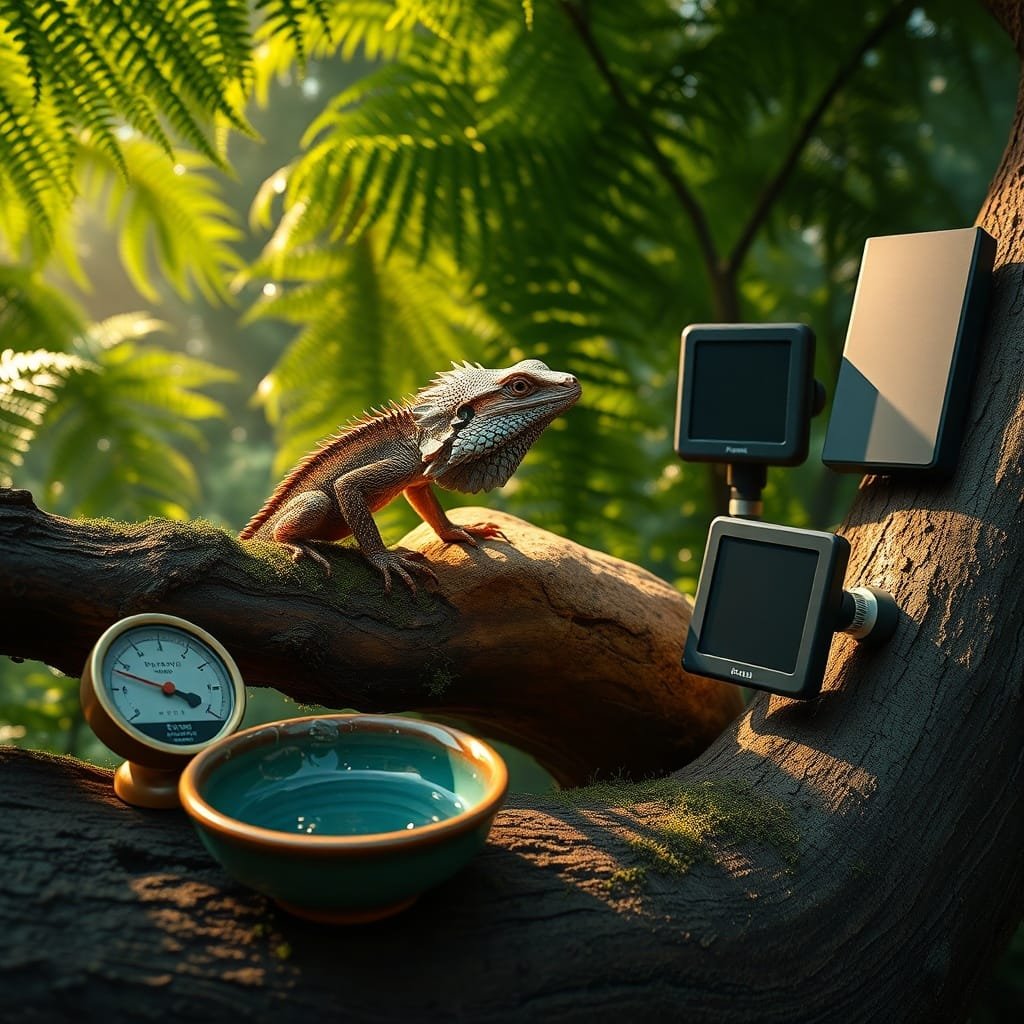
Lighting is another area where quality matters enormously. A high-output T5 HO UVB fixture such as the Arcadia 12% or Zoo Med Reptisun 10.0 costs $60–$120. Pair this with a 100–150-watt basking bulb and a secondary deep heat projector for nighttime warmth, budgeting another $40–$80 for these components. Thermostats from brands like Herpstat or Inkbird are essential for precise temperature regulation and range from $50–$200 depending on the model.
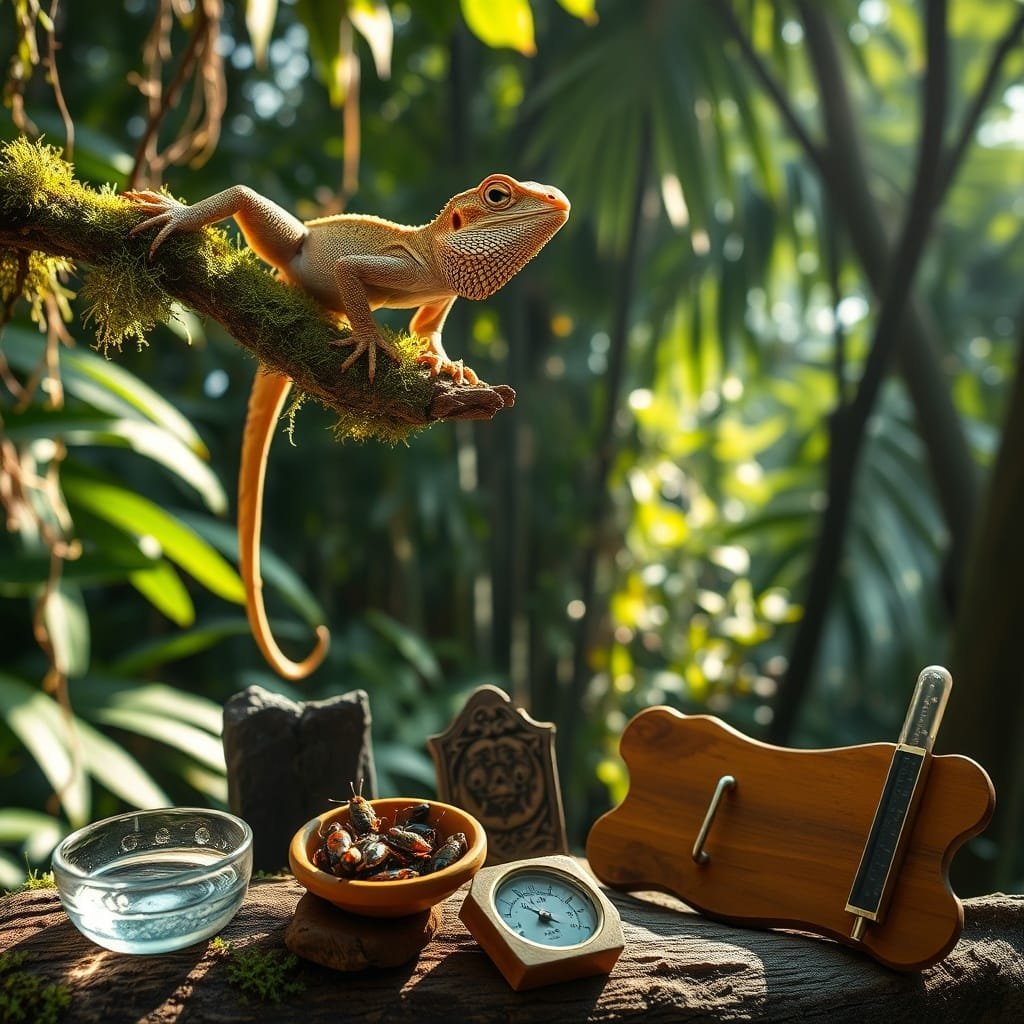
Substrate, climbing branches, cork bark hides, and artificial or live plants round out your décor setup, typically costing $80–$150 for a well-furnished enclosure. A reliable digital hygrometer and dual-probe thermometer from brands like Govee or Inkbird are inexpensive but critical monitoring tools at $20–$40.
On the ongoing monthly costs side, feeder insect colonies or regular purchases from suppliers like Dubia Roaches or Josh’s Frogs run $30–$60 per month depending on your dragon’s age and appetite. Calcium and vitamin supplements such as Repashy Calcium Plus or Zoo Med Repti Calcium add another $10–$20 every few months.
Budget approximately $150–$250 annually for routine veterinary wellness visits with a qualified reptile vet, even when your animal appears perfectly healthy. Factoring all costs together, new owners should expect a first-year investment of roughly $900–$1,400, with annual recurring costs settling comfortably around $500–$700 thereafter.
Frequently Asked Questions
How large do frilled dragons get as adults?
Adult frilled dragons reach an impressive total length of 2.5 to 3 feet, with males typically growing larger than females. Males can occasionally approach 3 feet, while females generally max out closer to 2 to 2.5 feet. Their long tails account for roughly two-thirds of their total body length, making them appear even more dramatic in a well-decorated enclosure.
Are frilled dragons good pets for beginners?
Frilled dragons are best described as intermediate-level reptiles rather than true beginner pets. They require precise environmental conditions, a live insect diet, and patient socialization. That said, a motivated beginner who thoroughly researches their needs and invests in proper equipment can absolutely succeed with this species. Starting with a captive-bred juvenile from a reputable breeder gives you the best possible foundation.
How long do frilled dragons live in captivity?
With excellent husbandry, frilled dragons regularly live 10 to 15 years in captivity. Some well-cared-for individuals have exceeded 15 years. Lifespan is directly tied to the quality of diet, lighting, temperature management, and access to veterinary care throughout their lives.
Do frilled dragons need companions or can they live alone?
Frilled dragons are solitary animals by nature and genuinely thrive when housed individually. Cohabitation almost always leads to competition, stress, and physical injury — even between animals that initially appear to tolerate each other. Your dragon will be happiest, healthiest, and most personable as the sole occupant of its enclosure.
How often should I handle my frilled dragon?
Once your dragon is fully settled and comfortable, three to five handling sessions per week of 15–20 minutes each is an ideal routine. Always read your animal’s body language before and during each session, and respect any signals that it needs space. Consistency matters far more than session length when building a lasting bond.