Few freshwater fish command attention quite like the betta fighter fish. With their flowing, jewel-toned fins and fierce, intelligent eyes, these small but spectacular creatures have fascinated aquarium enthusiasts for centuries. Whether you’re a seasoned aquarist or someone just beginning to explore the hobby, there is something undeniably magnetic about keeping a betta. Their personality, beauty, and relative hardiness make them one of the most rewarding fish you can add to your home aquarium.
The Natural Habitat of Wild Betta Fish
Understanding where betta fighter fish come from helps you recreate conditions that allow them to truly thrive. Wild bettas are native to Southeast Asia, particularly Thailand, Cambodia, Vietnam, and Laos. They inhabit shallow, slow-moving waters such as rice paddies, floodplains, and roadside ditches — environments that are warm, often murky, and rich in vegetation.
These habitats experience significant seasonal variation, including periods of drought that concentrate fish into small pools. This is why bettas evolved as labyrinth fish, possessing a specialized labyrinth organ that allows them to breathe atmospheric air directly from the surface. This adaptation makes them uniquely resilient compared to most other tropical fish species, though it does not mean they can survive in neglected or tiny containers.
Understanding Betta Fighter Fish Behavior and Personality
One of the most compelling aspects of the betta fighter fish is its unmistakable personality. Unlike many schooling fish that blend into the background, bettas are solitary, territorial animals that actively interact with their environment and their keepers. Many betta owners report that their fish recognize them, swim eagerly to the front of the tank at feeding time, and even follow a finger tracing along the glass.
Male bettas are famously aggressive toward other males, which is the root of their “fighter” reputation. However, this boldness translates into a confidence and curiosity that makes them endlessly entertaining to observe. Providing proper enrichment and space channels that energy positively, resulting in a fish that is both vibrant and behaviorally engaged every single day.
Setting Up the Perfect Betta Fighter Fish Tank
Creating the right environment for your betta fighter fish is the single most impactful thing you can do for its long-term health and happiness. A well-designed tank doesn’t just keep a betta alive — it allows the fish to express natural behaviors, display brilliant coloration, and live a full, active life. Getting the setup right from the beginning saves you time, money, and frustration down the road.
Choosing the Right Tank Size and Shape
A common myth is that bettas are happy in tiny bowls or vases. In reality, a minimum tank size of 5 gallons is strongly recommended, with 10 gallons being ideal for a single male betta. Larger tanks maintain more stable water parameters, provide swimming space, and allow for meaningful aquascaping. Long, horizontal tanks are preferable to tall, narrow ones because bettas are horizontal swimmers that need easy access to the water surface.
Essential Equipment and Filtration Systems
Equipping your betta tank properly sets the foundation for a stable, healthy ecosystem. Here are the essential items every betta keeper should have:
A gentle sponge filter or adjustable flow filter to avoid strong currents that stress bettas
A reliable submersible heater rated for your tank volume, such as the Fluval E Series or Eheim Jager
A thermometer to monitor water temperature consistently
A tight-fitting lid, since bettas are accomplished jumpers
A water conditioner like Seachem Prime to neutralize chlorine and chloramine during water changes
A substrate layer of fine gravel or sand that won’t trap harmful debris
Once your equipment is in place, cycling the tank before introducing your fish is critical. The nitrogen cycle establishes beneficial bacteria colonies that convert toxic ammonia into safer compounds.
Equipment
Recommended Option
Purpose
Filter
Aqueon Quietflow E or sponge filter
Gentle filtration without strong current
Heater
Eheim Jager 50W
Stable, adjustable temperature control
Thermometer
Marina Floating Thermometer
Accurate daily temperature monitoring
Water Conditioner
Seachem Prime
Detoxifies chlorine and ammonia
Substrate
CaribSea Super Naturals sand
Soft, natural-looking bottom layer
Water Quality and Parameters for a Healthy Betta
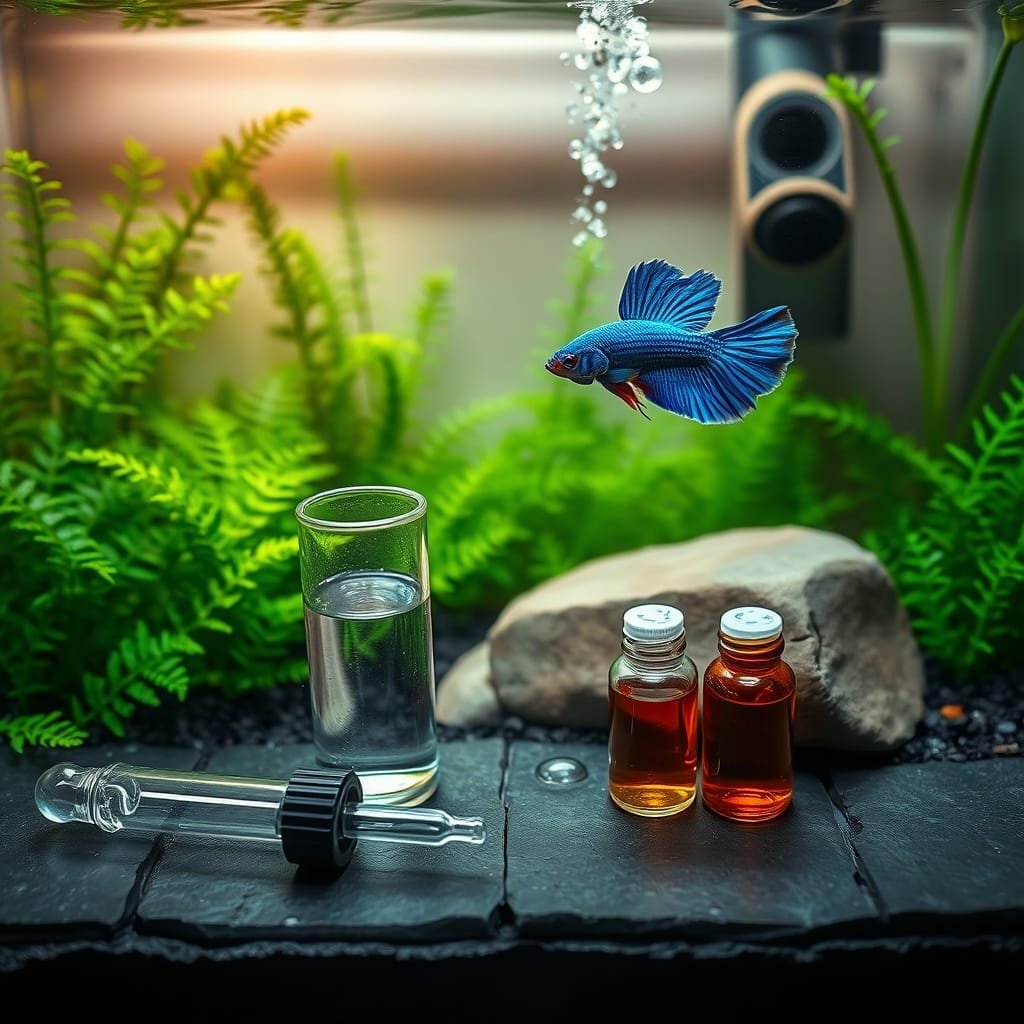
Even the most beautifully decorated tank will fail your betta if the water quality is poor. Bettas are sensitive to sudden parameter swings, and maintaining stable, appropriate conditions is the cornerstone of responsible betta keeping. Investing in a reliable liquid test kit — the API Freshwater Master Test Kit is a trusted industry standard — gives you accurate, real-time data about what’s happening in your water.
Ideal Temperature, pH, and Hardness Levels
Betta fighter fish are tropical animals that require consistently warm water. The ideal temperature range falls between 76°F and 82°F (24°C–28°C). Temperatures below 74°F suppress immune function and slow metabolism, making bettas lethargic and vulnerable to disease. Temperatures above 84°F reduce dissolved oxygen and accelerate harmful bacterial growth.
For pH levels, bettas thrive in slightly acidic to neutral water, ideally between 6.5 and 7.5. Water hardness should remain soft to moderately hard, with a general hardness (GH) of 3–4 dGH being optimal. Consistency matters more than perfection — a stable pH of 7.2 is far healthier than one that swings between 6.8 and 7.8 week to week.
Performing Water Changes the Right Way
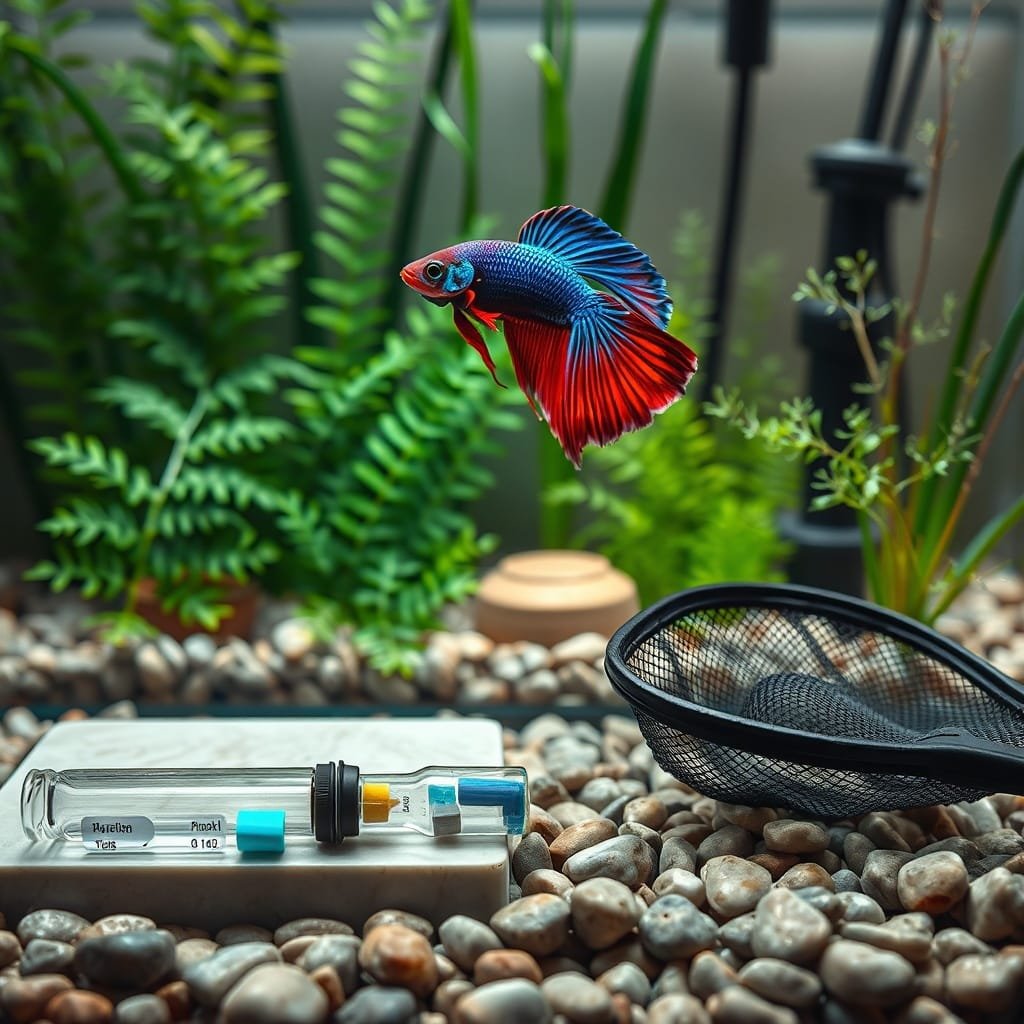
Regular water changes are non-negotiable for betta health. In a cycled 10-gallon tank, changing 20–25% of the water weekly removes nitrates, replenishes minerals, and dilutes any accumulating toxins. Always treat replacement water with a dechlorinator and match the temperature to within one or two degrees of the existing tank water before adding it. Sudden temperature drops are a leading cause of ich outbreaks and fin deterioration in bettas. Using a gravel vacuum during changes also removes organic waste that fuels harmful ammonia spikes before they become dangerous.
Aquascaping and Decoration Ideas for Betta Tanks
A thoughtfully aquascaped tank does far more than look beautiful — it actively supports your betta fighter fish’s physical and psychological wellbeing. Bettas in enriched environments display brighter colors, more confident behavior, and significantly reduced stress. The goal is to recreate the lush, layered quality of their natural Southeast Asian habitat while keeping the space navigable and safe.
Anchor a dense background planting using tall species like Vallisneria or Amazon sword to create a natural sense of depth and security.
Add a midground layer with medium-height plants such as Anubias barteri or Java fern to break up sightlines and provide resting spots near the surface.
Carpet the foreground with low-growing species like dwarf hairgrass or Monte Carlo for a naturalistic, polished appearance.
Position driftwood pieces such as Malaysian driftwood or spider wood to create visual interest and natural tannin release that slightly softens water.
Place smooth river stones strategically to add texture without sharp edges that could snag delicate fins.
Leave open swimming lanes in the center of the tank so your betta can cruise freely between planted zones.
Live Plants That Thrive Alongside Betta Fighter Fish
Live plants are one of the greatest upgrades you can make to any betta setup. Java fern attaches easily to driftwood and tolerates low light, making it nearly foolproof for beginners. Anubias species are similarly hardy and grow slowly enough that they never overwhelm a small tank. Water sprite is a fantastic floating option that diffuses surface light beautifully and gives bettas a shaded retreat they genuinely seek out. Amazon frogbit is another excellent floating plant that creates the dappled canopy bettas experience in the wild. All of these species also absorb nitrates, contributing to biological filtration and improving overall water quality between changes.
Hides, Caves, and Enrichment Structures
Beyond plants, physical structures give your betta territory to patrol and explore. Smooth ceramic caves, half-coconut shells, and purpose-built betta logs provide dark retreats where fish can rest undisturbed. Avoid any decoration with sharp edges or rough textures — betta fins are delicate and tear easily against abrasive surfaces. A simple finger test works well: if a decoration snags a pantyhose fabric, it will damage fins. Territorial markers like distinct caves and driftwood clusters also help reduce stress by giving your betta a defined home range within the aquarium.
Feeding Your Betta Fighter Fish for Optimal Health
Nutrition is one of the most powerful tools in your betta keeping toolkit. A well-fed betta fighter fish displays richer color saturation, stronger fin development, and a noticeably more active, curious demeanor. Because bettas are obligate carnivores, their diet must be protein-forward — plant-based flake foods simply do not meet their nutritional requirements and can contribute to digestive issues over time.
Best Foods and Feeding Frequency
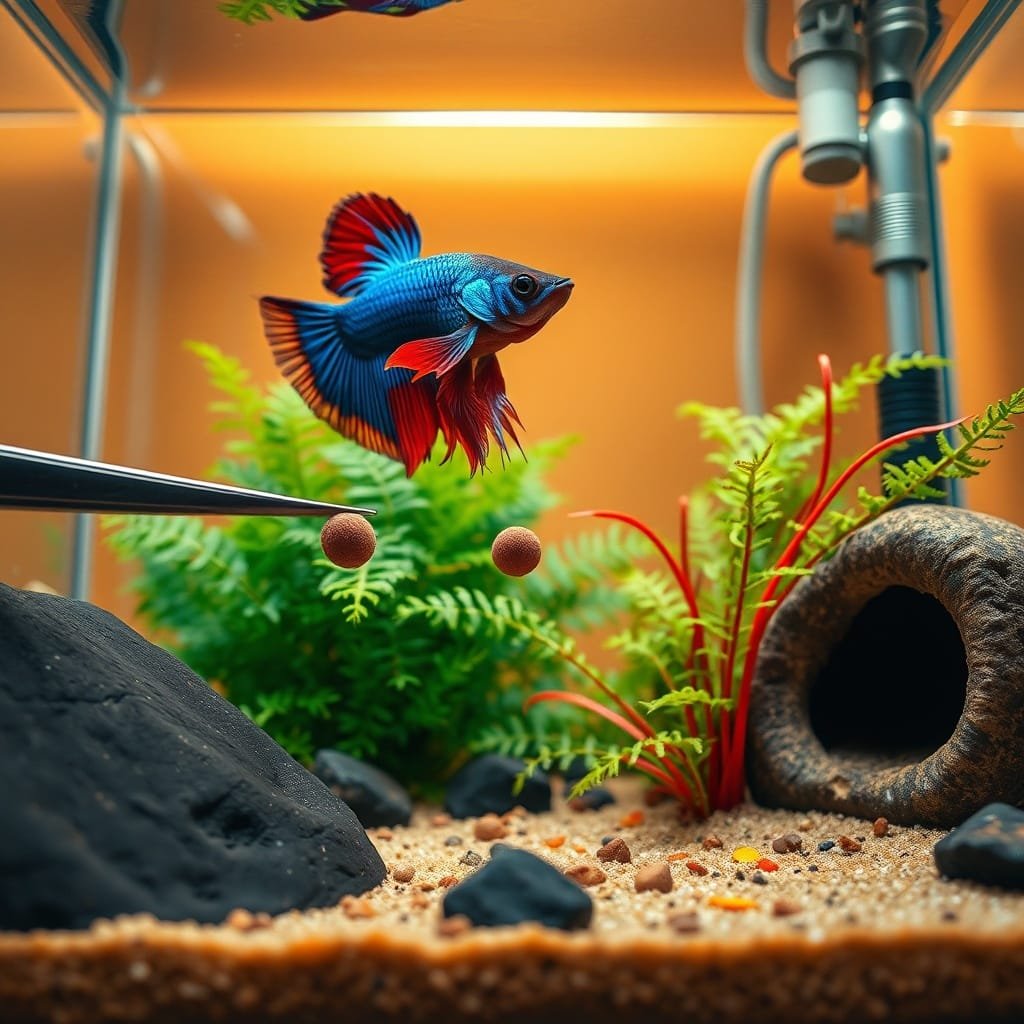
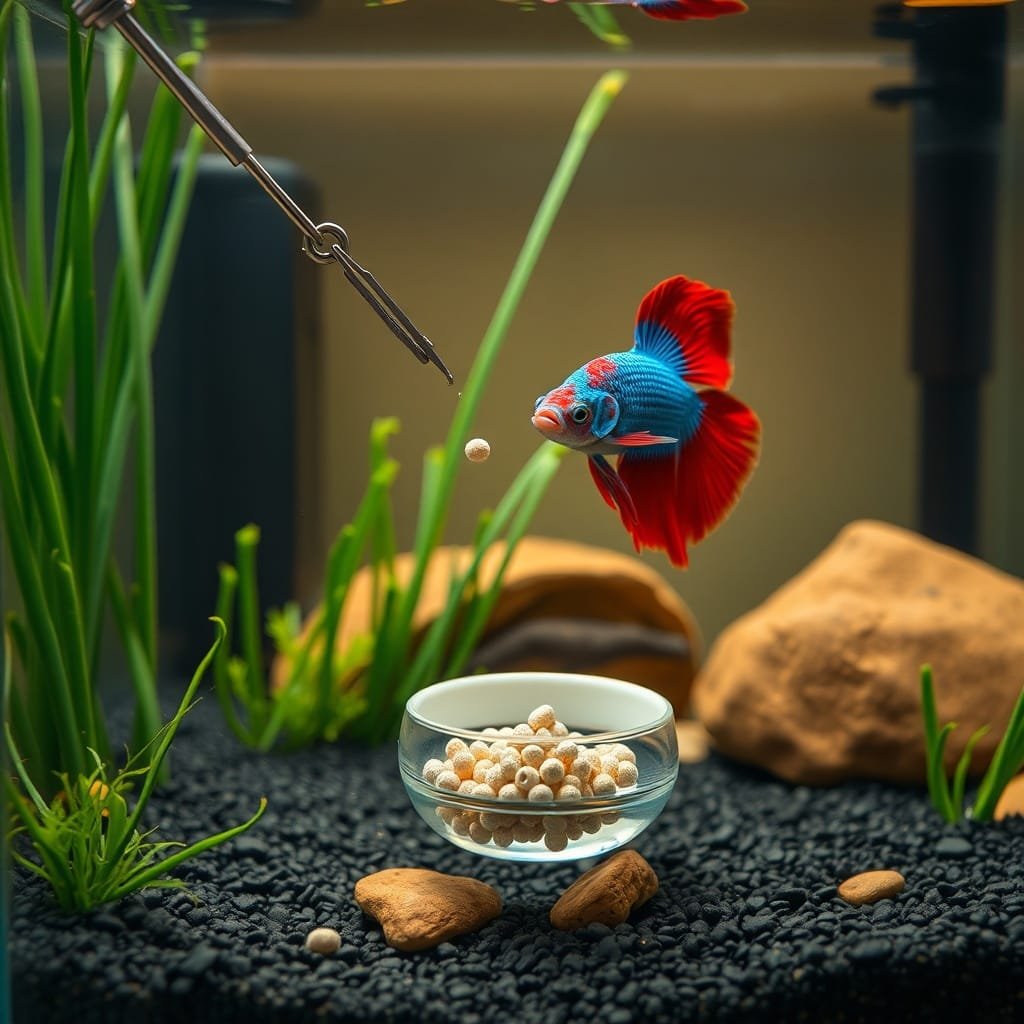
The foundation of a healthy betta diet should be a high-quality pellet formulated specifically for bettas. Brands like Hikari Betta Bio-Gold and New Life Spectrum Betta Formula are widely respected in the aquarium community for their protein content and digestibility. Feed small amounts twice daily — approximately three to five small pellets per feeding — and remove any uneaten food after two minutes to prevent water quality deterioration. One fasting day per week helps prevent bloating and constipation, two common issues in bettas that are overfed.
Food Type
Example Products
Feeding Frequency
Pellets
Hikari Betta Bio-Gold, New Life Spectrum Betta
Twice daily, 3–5 pellets per feeding
Frozen bloodworms
San Francisco Bay Brand, Hikari Frozen
2–3 times per week as a supplement
Frozen brine shrimp
Piscine Energetics, Omega One
1–2 times per week
Freeze-dried daphnia
Hikari Freeze-Dried Daphnia
Occasional treat, 1–2 times per week
Live blackworms
Locally sourced from aquarium stores
Weekly treat for enrichment
Supplements and Treats to Boost Vitality
Rotating variety into your betta’s diet is one of the most enjoyable aspects of the hobby and one of the most beneficial for the fish. Frozen bloodworms are a perennial favorite that trigger impressive hunting behavior and provide an excellent protein boost. Frozen brine shrimp offer a slightly leaner protein source while delivering natural color-enhancing carotenoids that intensify reds and oranges in your betta’s finnage. Freeze-dried daphnia serves double duty as both a treat and a natural digestive aid, helping prevent the constipation that sometimes results from an all-pellet diet. Always thaw frozen foods briefly in a small cup of tank water before offering them, as feeding frozen food directly can cause digestive upset in tropical fish accustomed to warm water temperatures.
Compatible Tank Mates for Betta Fighter Fish
One of the most frequently asked questions among betta keepers is whether their fish can share a tank with other species. The honest answer is: yes, but careful selection is essential. A community tank built around a betta fighter fish can be a stunning, dynamic display — provided every species chosen respects the betta’s temperament and spatial preferences.
Species That Coexist Peacefully
Bottom-dwelling species are typically the safest companions for bettas because they occupy a completely different zone of the water column. Corydoras catfish, particularly pygmy corydoras and Julii corydoras, are peaceful, active, and completely uninteresting to most bettas. Otocinclus catfish perform excellent algae-cleaning duties and are small enough to avoid any conflict. Snails such as nerite snails and mystery snails make outstanding tank mates — they contribute to cleanup crew duties and bettas rarely bother them. Kuhli loaches are another excellent choice, staying hidden during the day and emerging at night without ever challenging a betta’s dominance. Small, fast-moving tetras like ember tetras can sometimes work in larger tanks with dense planting that provides escape routes.
Tank Mates to Avoid at All Costs
Fin-nipping species are the single greatest threat to a betta’s physical health in a community setting. Tiger barbs, serpae tetras, and many danio varieties are notorious for targeting the long, flowing fins of bettas, causing stress, infection, and permanent fin damage. Other male bettas must never share a tank — the resulting aggression is not simply territorial display but genuine combat that causes serious injury or death. Avoid any fish with bright coloration and flowing fins, including male guppies, as bettas frequently misidentify them as rival males and attack relentlessly. Similarly, cichlids of any size are too aggressive and territorial to coexist safely with a betta in a typical home aquarium environment.
Recognizing and Preventing Common Betta Health Issues
Even the most attentive betta keeper will eventually encounter a health challenge, but the good news is that most common betta illnesses are entirely preventable with proper husbandry — and highly treatable when caught early. Learning to read your fish’s behavior and appearance is one of the most valuable skills you can develop as a betta owner.
Ich, also known as white spot disease, is one of the most frequently encountered parasitic conditions in freshwater aquariums. It presents as tiny white granules resembling grains of salt scattered across the fins and body. Raising the tank temperature gradually to 86°F while treating with a product like Kordon Rid-Ich Plus is an effective and well-established protocol. Catching ich early dramatically improves outcomes, which is why daily observation matters so much.
Fin rot is another common concern, typically caused by bacterial infection following stress, injury, or poor water quality. You’ll notice the fin edges becoming ragged, discolored, or receding. Improving water quality is always the first intervention — clean water alone resolves mild cases. More advanced fin rot responds well to treatments like Seachem Kanaplex or API Fin & Body Cure. Maintaining pristine tank conditions is genuinely the most powerful preventive measure available.
Velvet disease, caused by the Oodinium parasite, is trickier to spot because its gold or rust-colored dusting can be subtle under standard lighting. Shining a flashlight at a low angle across your betta’s body reveals the telltale shimmer if velvet is present. Aquarium salt combined with dimmed lighting and a copper-based treatment addresses most cases effectively.
Swim bladder disorder, bloating, and lethargy are often nutritional rather than infectious in origin — typically linked to overfeeding or constipation. The fasting protocol mentioned in the feeding section, combined with offering daphnia as a digestive aid, resolves the majority of these cases without medication. Quarantining any new fish before introducing them to your betta’s tank eliminates the single greatest vector for introducing disease into an established, healthy aquarium.
Frequently Asked Questions
Can a betta fighter fish live in an unheated tank?
Generally, no. Betta fighter fish are tropical animals that require water temperatures between 76°F and 82°F to remain healthy and active. In cooler, unheated tanks, their immune systems weaken, metabolism slows, and they become significantly more vulnerable to disease. Unless your home consistently maintains temperatures in that range year-round, a reliable submersible heater is a necessary investment rather than an optional accessory.
How long do betta fighter fish typically live?
With proper care, a betta fighter fish lives an average of two to four years, though well-maintained individuals occasionally reach five years or beyond. Most bettas sold in pet stores are already six months to a year old, so purchasing from reputable breeders who raise young fish gives you more time with your companion. Consistent water quality, a varied diet, and an enriched environment are the three factors that most meaningfully extend a betta’s lifespan.
Can female betta fighter fish be kept together?
Yes, under the right conditions. Female bettas can coexist in what hobbyists call a sorority tank, typically a well-planted aquarium of at least 20 gallons housing five or more females. The group dynamic distributes aggression so no single fish is targeted relentlessly. However, sorority tanks require careful monitoring during the initial establishment period, as hierarchies are worked out through displays and occasional skirmishes. They are not recommended for beginners.
Why is my betta fish building a bubble nest?
Bubble nest construction is a completely natural and positive behavior in male bettas. Males blow clusters of air bubbles at the water surface as part of their reproductive instinct, signaling that they feel secure, healthy, and comfortable in their environment. You do not need a female present for this behavior to occur. Consider it a genuine sign that your betta is thriving in its habitat.
How often should I clean my betta’s tank?
In a properly cycled tank, weekly partial water changes of 20–25% combined with monthly filter maintenance keep conditions stable without disrupting the beneficial bacterial colonies your tank depends on. Avoid the impulse to do full tank cleanouts, as these destroy the nitrogen cycle and reset your tank to an unstable, potentially dangerous state for your fish.